
Share the property details
Send the location, equipment, symptoms or planned changes, and who can approve the work. Existing labels and service records help define the request.
Request heating, cooling or maintenance for your Markham property. Choose the work and describe the equipment or symptoms. Coverage, pricing and appointments require confirmation.
Is something not working, or are you planning an installation or maintenance?
Choose the work you need and describe what changed, when it began, and which equipment is involved. For a planned project, include the outcome you want and any access or scheduling constraints.
View furnace repair services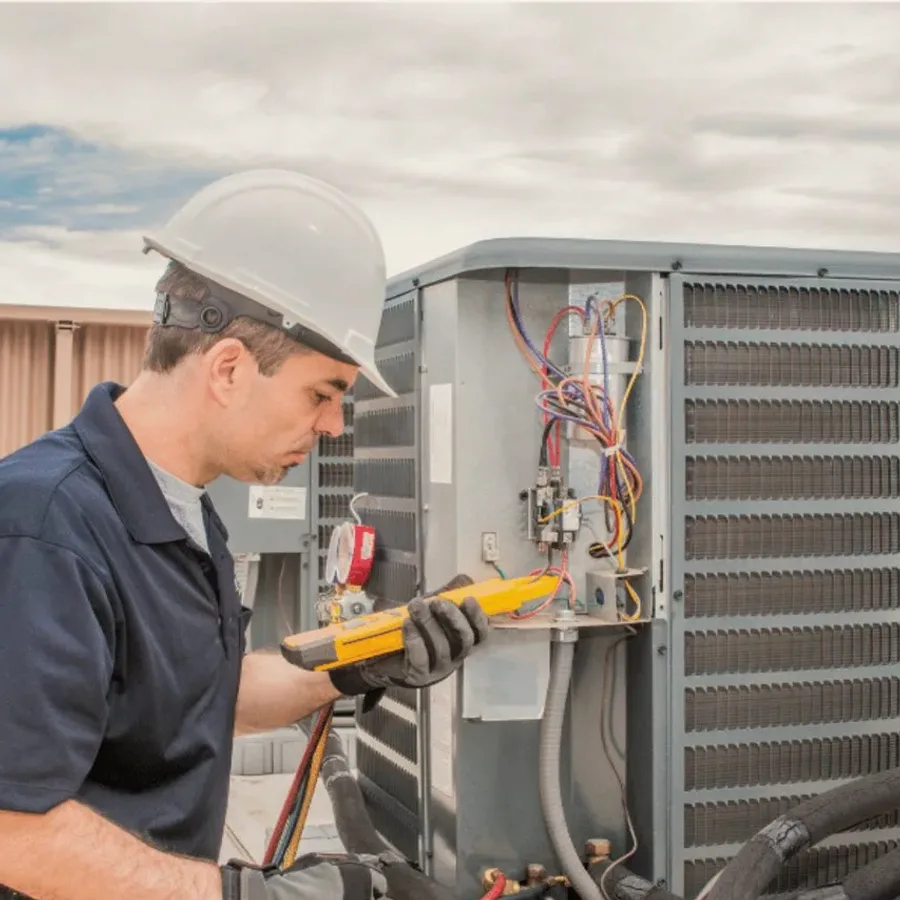
Describe the work first, then confirm the people, timing, and terms before making a commitment.
Send the location, equipment, symptoms or planned changes, and who can approve the work. Existing labels and service records help define the request.
The enquiry team reviews the request and shares it with a relevant service provider for follow-up using your contact details. Confirm contractor coverage, qualifications and how the property will be assessed before agreeing to an appointment.
Ask which findings support the work, what is included or excluded, and how completion will be checked. Agree on pricing and terms with the contractor.
Start with the installed equipment and its manufacturer instructions. Maintenance needs depend on the appliance and its use. Keep service records and ask a qualified contractor which seasonal inspections apply.
When requesting work for a property in Markham or nearby Richmond Hill, Newmarket and Aurora, show how the finished layout preserves access to filters, controls, and the appliance. Ask whether altered returns or enclosed spaces affect the reported fault. A service and renovation plan should distinguish heating performance from changes to the mechanical room, then record any distribution correction required for the occupied basement.
Record the furnace fuel and model, any displayed error code, when the symptom began, and whether it affects the whole home or particular rooms. A qualified inspection can compare the ignition sequence, airflow, controls, and venting with the unit’s design. Heat-exchanger damage or repeated faults can change the repair-versus-replacement decision; age alone does not establish that a furnace should be replaced.
A no-start or cool-air complaint can arise from different points in the heating sequence. Ignition faults involve components such as the igniter or flame sensor, while a thermostat or control problem may prevent a heat call from reaching the furnace. The display code and observed sequence help distinguish these possibilities. Internal electrical, fuel, and combustion checks belong to a qualified service inspection, not occupant troubleshooting.
A failed component may be repairable, but a damaged heat exchanger or recurring major faults can alter the decision. Inspection findings, the condition of other components, and the cost and scope of the proposed work are more useful than a simple age cutoff. A high-efficiency condensing furnace also has venting and condensate parts that differ from conventional equipment, so those findings should be included when considering replacement.
Maintenance is separate from repairing a known fault. The service scope can include checking airflow, the filter, burners, controls, and venting when those items apply to the furnace model. Findings determine whether adjustment, cleaning, or a repair is indicated; manufacturer instructions guide the work. If the inspection reveals a safety concern or a failing component, that specific issue should be assessed rather than treated as routine upkeep.
Share the property location and the work you need so the request can be reviewed.
The configured service area includes these communities. Include your property location so coverage and appointment availability can be confirmed.